Mallu Resma Sex Fuckwapi.com ((link)) Official
Kerala is a paradox. It has the highest literacy rate in India, yet thrives on a rigid, albeit subtle, caste hierarchy. It has peaceful coexistence of Hindus, Muslims, and Christians, yet communal flare-ups occur. Malayalam cinema is the forum where these tensions are aired.
In the 2010s and 2020s, a new generation of filmmakers sparked a cinematic renaissance, often referred to as the "New-Gen" wave. This era stripped away the last remnants of cinematic exaggeration to embrace hyper-realism. Rooted in Everyday Life
Malayalam cinema remains a vibrant, evolving chronicle of Kerala's cultural soul. By remaining fiercely local, authentic, and socially conscious, it has achieved universal acclaim. It proves that the most powerful way to reach a global audience is to stay deeply rooted in one's own soil, capturing the unique rhythms, struggles, and triumphs of local life. If you want to refine this article further, let me know:
Malayalam cinema, often called , acts as a living document of Kerala's evolving social, political, and cultural landscape. Unlike the large-scale spectacle found in many other Indian film industries, Kerala’s cinema is deeply rooted in realism and authenticity , a direct reflection of the state's high literacy rates and intellectual traditions. Historical Foundations and Cultural Roots mallu resma sex fuckwapi.com
Films distinguish characters not just by their costumes but by their dialects—the distinct Thiruvanthapuram slang, the Muslim Mappila dialect of Malabar, or the pure, structured Malayalam of the central Travancore region. Screenwriters like M. T. Vasudevan Nair and Sreenivasan have mastered the art of conversational realism. A typical Malayalam film character might engage in a heated political debate while sipping chaya (tea) at a thattukada (roadside eatery), a setting that is culturally sacred to Kerala’s public sphere.
Malayalam cinema's genius lies in its ability to weave the state's rich artistic traditions and distinct landscapes directly into its stories. It provides a visual and auditory encyclopedia of Keralite culture.
This public link is valid for 7 days and shares a thread, including any personal information you added. This link or copies made by others cannot be deleted. If you share with third parties, their policies apply. Can’t copy the link right now. Try again later. Kerala is a paradox
The 1980s and early 1990s are widely regarded as the Golden Age of Malayalam cinema. During this era, directors like Adoor Gopalakrishnan, G. Aravindan, John Abraham, Padmarajan, Bharathan, and Sathyan Anthikad created a unique space that bridged parallel (art-house) and commercial cinema.
A landmark film in this tradition is Ramu Kariat’s (1965). This film, which first brought Malayalam cinema to national prominence, is anchored in a coastal Dalit woman’s forbidden love, placing caste and feminine longing against the backdrop of a fisherfolk community’s moral code. It was a turning point, using the backdrop of a specific community to explore universal human desires. Even earlier, films like Neelakuyil (1954) tackled so-called "forbidden subjects," narrating the story of a schoolteacher’s affair with an "untouchable" woman.
Malayalam cinema is the regional film industry of Kerala. It stands out in Indian cinema for its deep connection to local reality. This cinema does not just entertain; it acts as a living archive of Kerala's shifting cultural landscape. The Foundations: Literature and Social Reform Malayalam cinema is the forum where these tensions are aired
The COVID-19 pandemic and the subsequent rise of Over-The-Top (OTT) streaming platforms introduced Malayalam cinema to a global audience. Movies like The Great Indian Kitchen sparked intense national conversations about deep-seated patriarchy in Indian households. The world discovered that Malayalam cinema’s strength lies in its hyper-locality; by being intensely true to the micro-cultures, geography, and nuances of Kerala, it achieves universal emotional resonance. Cultural Identity Through Aesthetics and Geography
: In North Kerala, the unique Mappila (Muslim) flavors of the Malabar region are a must-try [20].
This era reflected the shifts in Kerala's socio-economic landscape. With the rise of the "Gulf Boom"—where thousands of Malayalis migrated to the Middle East for work—the structure of the traditional Kerala family began to change. Films like Varavelpu and Nadodikkattu humorously yet poignantly addressed unemployment, the struggles of the expatriate, and the collapse of the agrarian economy.


 fy_pool_day
 gg_carnage
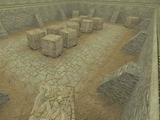 gg_aztecplace
![SECTOR.BG GUNGAME 18+ [Combos] | CS 1.6 boost server | Italy](https://ipdata.co/flags/it.png)


 cs_assault
![[HIDE-CS.EU] GunGame [24/7|FUN|XP] | CS 1.6 boost server | Lithuania](https://ipdata.co/flags/lt.png)
![CS BOOST 1.6 [HIDE-CS.EU] GunGame [24/7|FUN|XP]](https://www.csboost.eu/lgsl/lgsl_files/maps/halflife/cstrike/gg_toycarpark.jpg) gg_toycarpark
gg_toycarpark
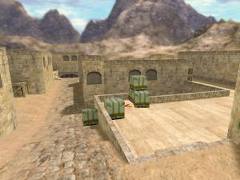 de_dust2