

Upload a photo, sketch, or reference image and generate a textured 3D model for games, prototyping, or 3D printing in seconds.
Upload a photo or reference image and generate a complete 3D model in seconds.
Convert a drawing, sketch, logo, or flat design into beautiful 3D model.

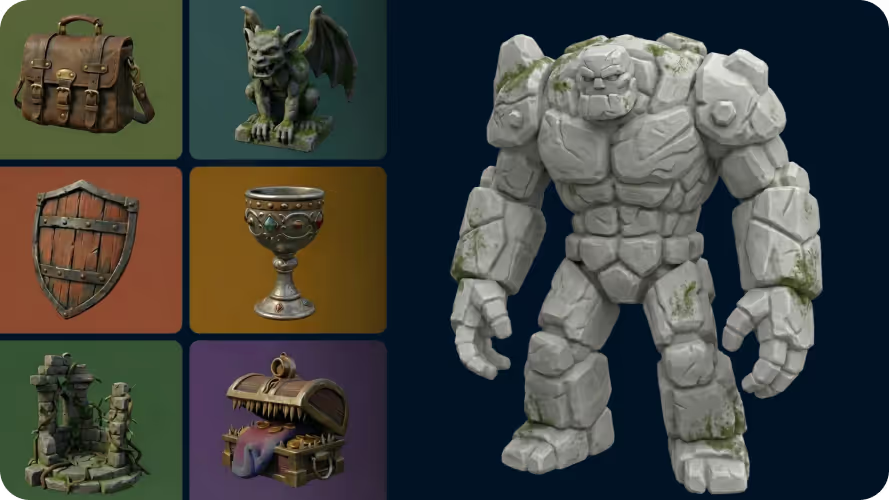

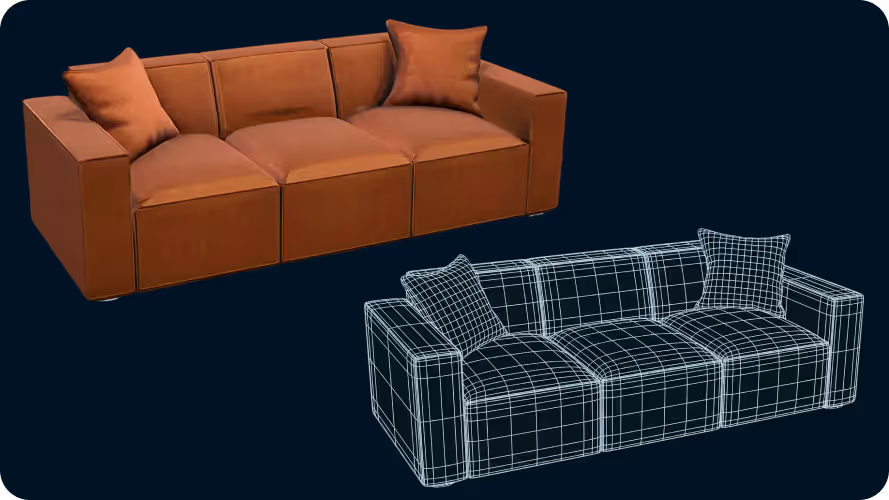

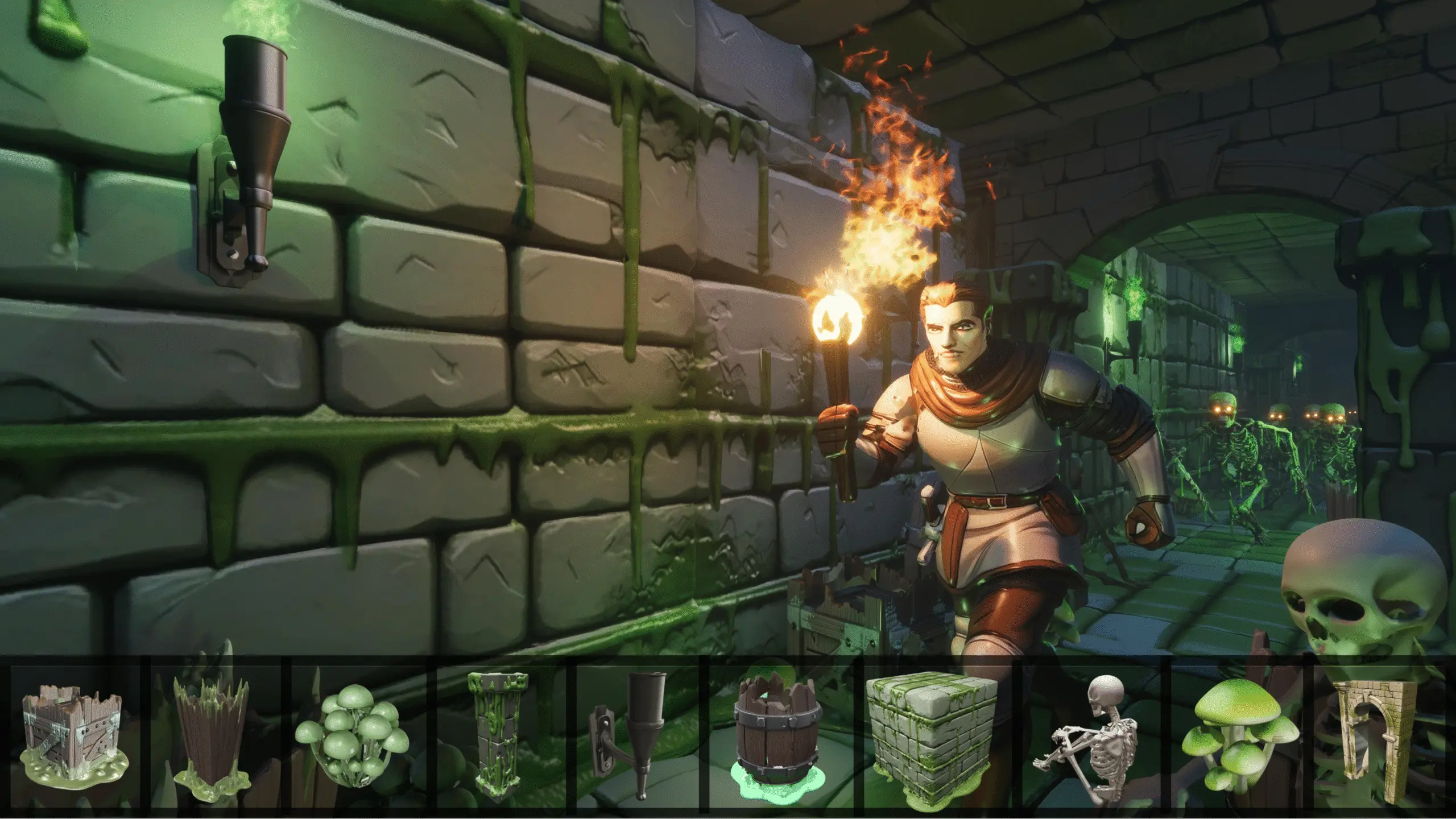
Export clean .fbx, .glb, or .obj files that drop straight into Unity, Unreal, Godot, Roblox Studio, and more.
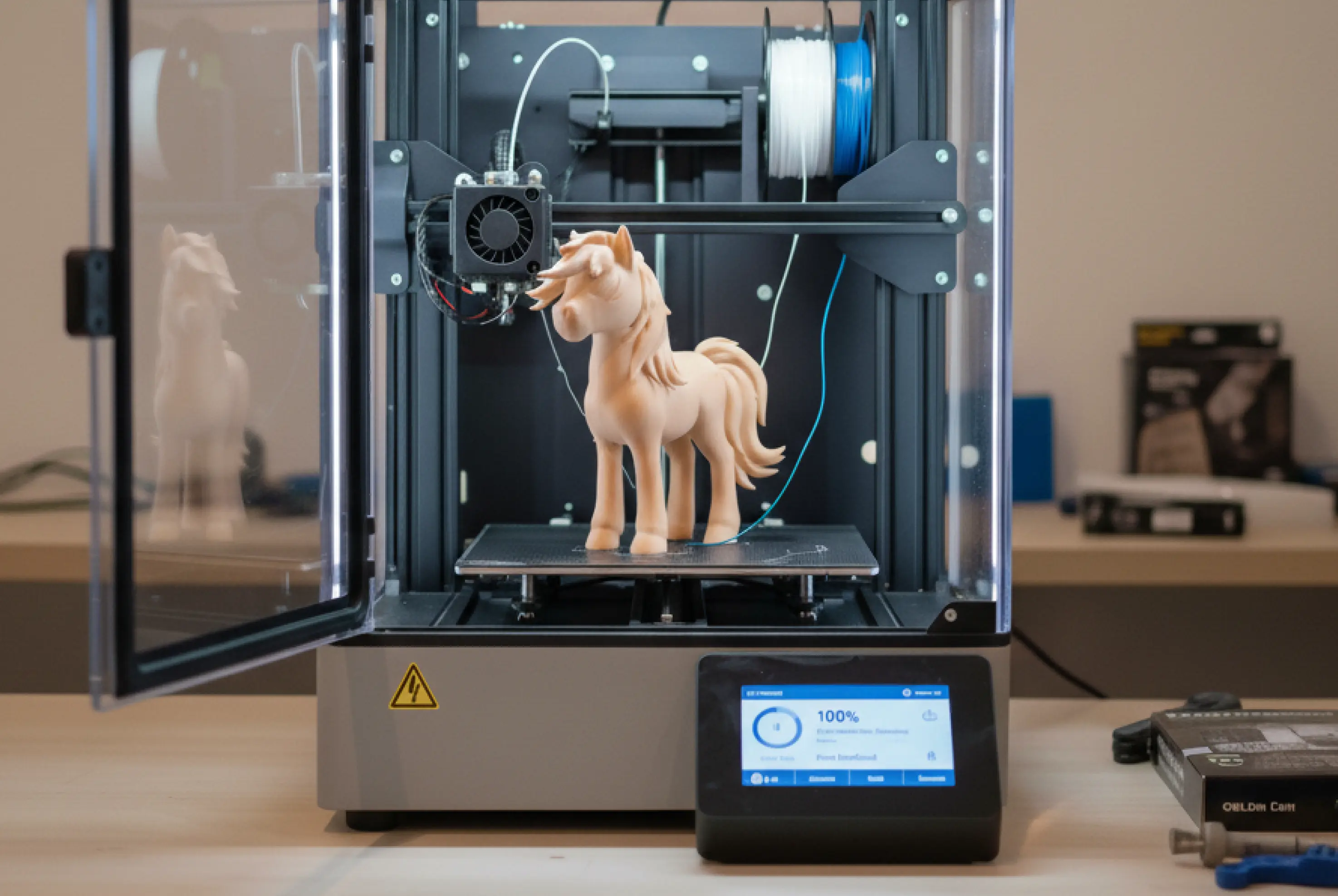
Get watertight models with solid forms that print well, even at small sizes.
Before diving into the gallery itself, it is crucial to understand the architect behind the lens. Jimmy Tonik emerged from the underground fashion scenes of major metropolitan hubs, where he noticed a glaring gap: men either dressed for the boardroom or the block party, rarely both. His "Set Fashion" concept was born from necessity—a modular way of dressing where each piece is designed to work in harmony with others, creating a cohesive "set" that eliminates guesswork.
Pair loose or baggy-fit pants with a structured, clean-cut top to maintain a sharp, intentional silhouette.
This has created a new viewer: the .
For stylists, the gallery serves as a reference library of unconventional pairings—how to mix sportswear with heirloom tailoring, or how to use negative space in a photo to amplify a silhouette. For designers, it’s a masterclass in narrative merchandising.
[Image 4: A model in an androgynous outfit blurring the lines between masculinity and femininity]
Any (e.g., sustainable fashion, seasonal trends, streetwear history). Share public link
In a world of fast fashion, the Jimmy Tonik Set feels like a permanent installation. It is timeless, wearable art. It invites the wearer to not just dress well, but to exist within the frame of their own life with confidence.
What is the of your event? (e.g., wedding, business, casual party)
Tonik understood that fashion does not exist in a vacuum. His style was heavily influenced by the . This juxtaposition makes his "set" so fascinating. He loved the eccentricity of the past—the structured silhouettes, the dramatic layering—but filtered it through a modern, almost dystopian lens.
