
A cross platform, customizable graphical frontend for launching emulators and managing your game collection.
A cross platform, customizable graphical frontend for launching emulators and managing your game collection.
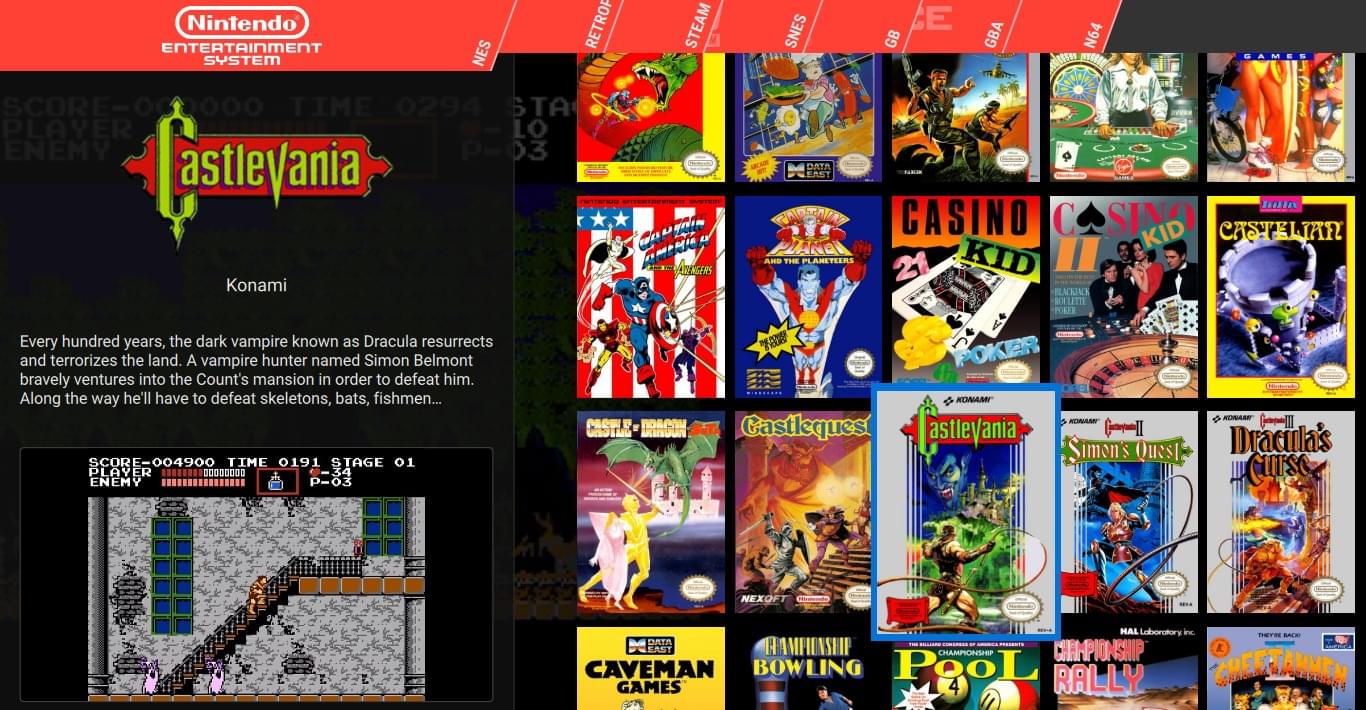
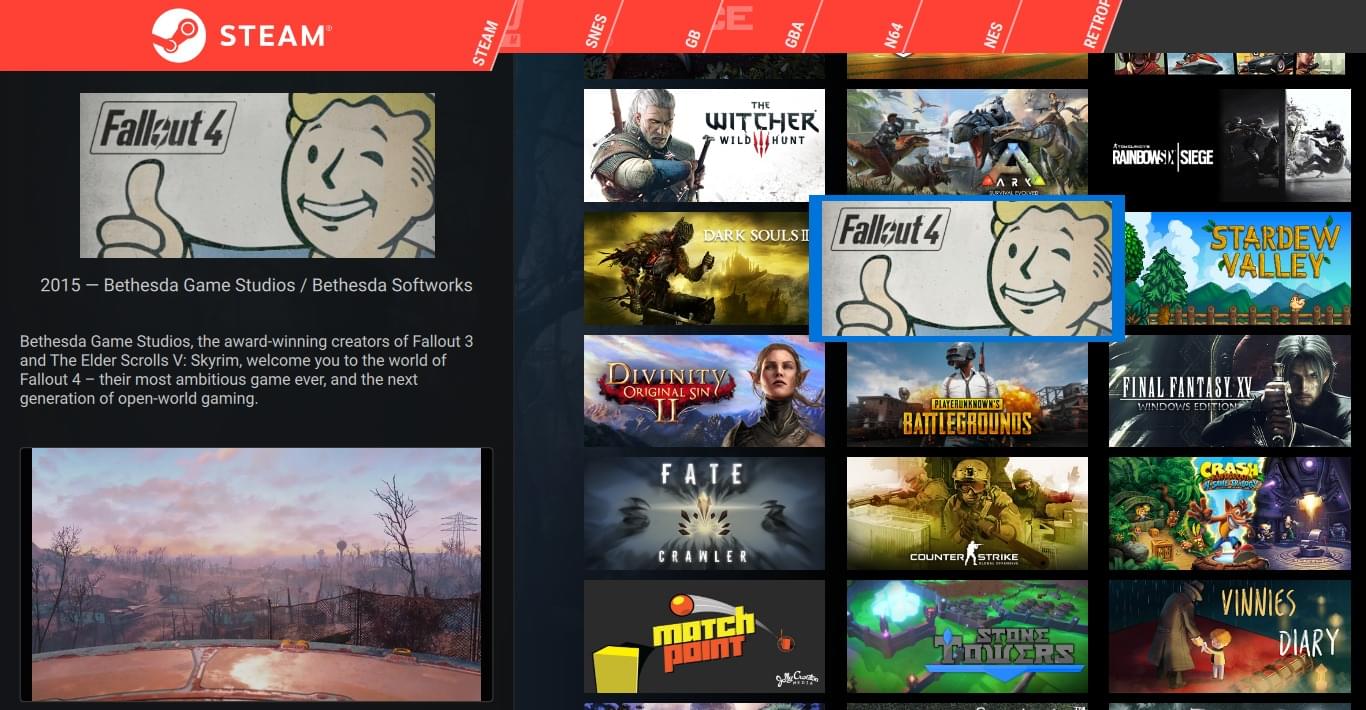
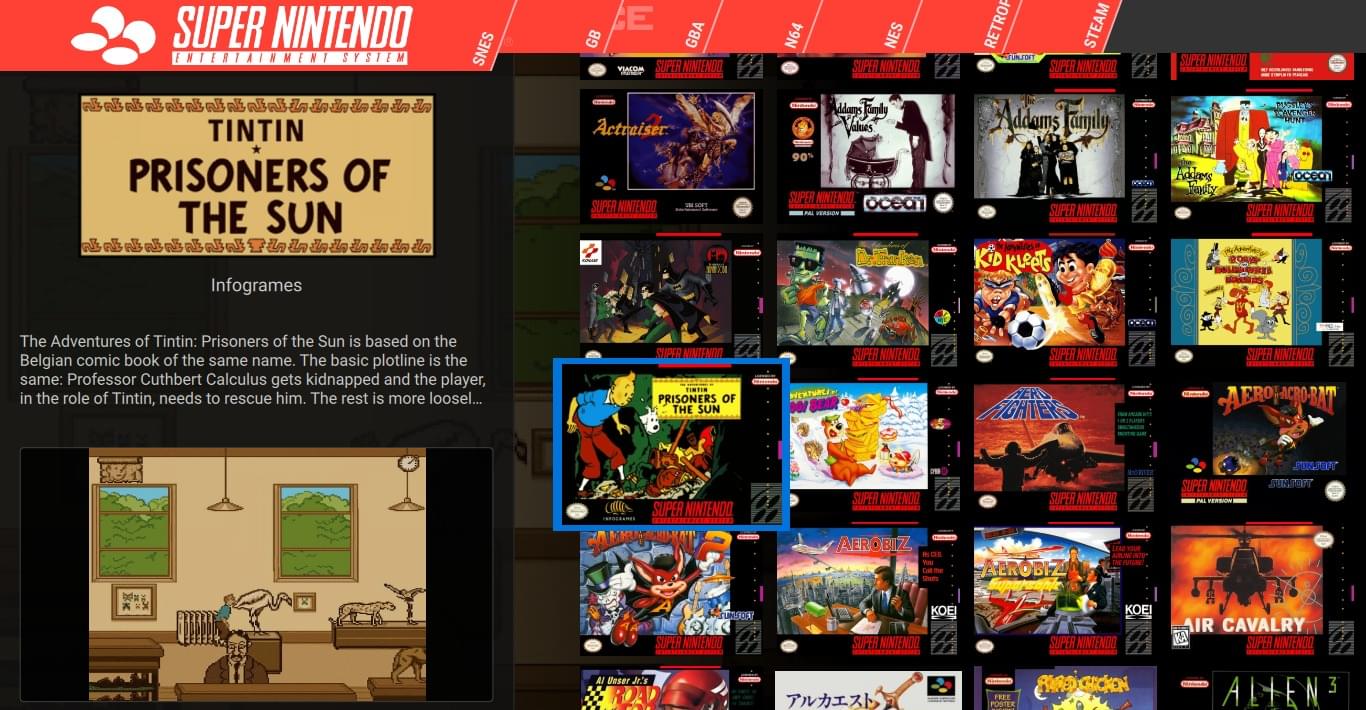
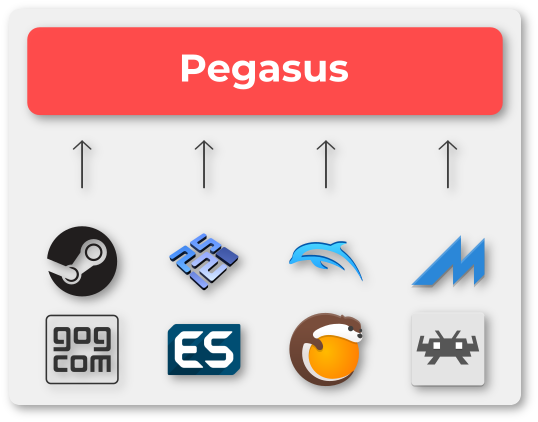
Pegasus is a graphical frontend for browsing your game library (especially retro games) and launching them from one place. It's focusing on customizability, cross platform support (including embedded devices) and high performance.
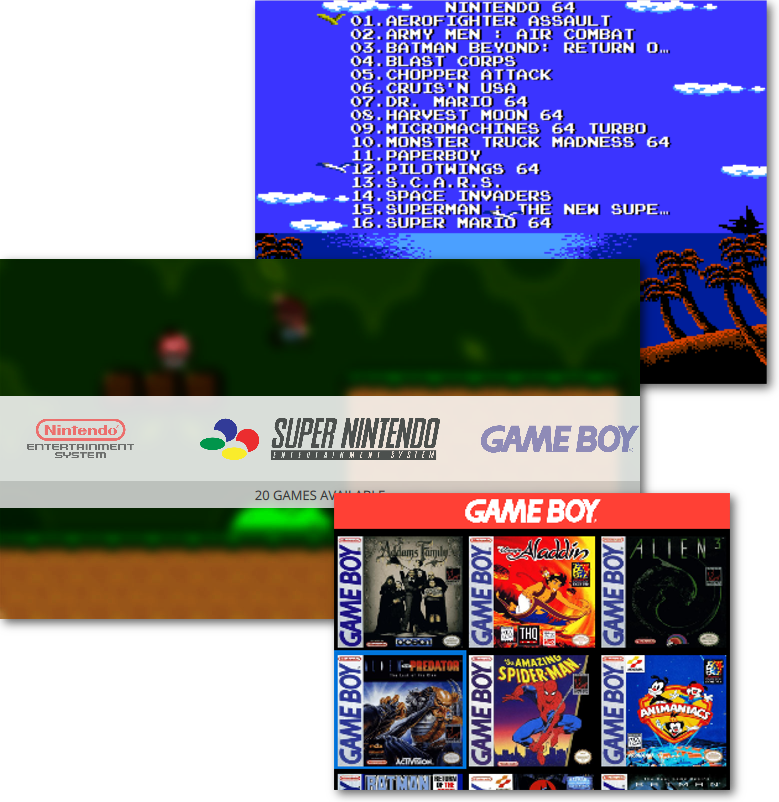
Instead of launching different games with different emulators one by one manually, you can add them to Pegasus and launch the games from a friendly graphical screen from your couch. You can add all kinds of artworks, metadata or video previews for each game to make it look even better!
With additional themes, you can completely change everything that is on the screen. Add or remove UI elements, menu screens, whatever. Want to make it look like Kodi? Steam? Any other launcher? No problem. You can add animations and effects, 3D scenes, or even run your custom shader code.
Pegasus can run on Linux, Windows, Mac, Raspberry Pi, Odroid and Android devices. It's compatible with EmulationStation metadata and gamelist files, and instantly recognizes your Steam games!
But have you ever wondered how those hacks actually functioned under the hood of the aging Warcraft III engine? What Was a Maphack?
At first, it seemed like a dream come true. The team effortlessly pushed lanes, took objectives, and racked up kills. But as the game wore on, they began to notice something strange. Their opponents seemed to be adapting, almost as if they knew exactly where the team was and what they were doing.
Some modern private Maphacks for platforms like RGC (Ranked Gaming Client) claimed to perform "0 modifications to the game," using external memory reading to create an overlay (ESP/Radar) rather than hacking the fog flag directly. dota 1 maphack work
The "Fog of War" was merely a visual layer generated by the game UI to hide this data from the player.
The legendary developer of Dota 1, IceFrog, implemented clever scripting workarounds within the map itself. He utilized "dummy units" and custom visibility triggers. For example, some versions of the map would check if a player hovered their cursor over or targeted a unit that should legally be invisible to them. If the map detected an impossible click, it would trigger a script to instantly kill the cheater's hero or crash their game client. But have you ever wondered how those hacks
Hackers used tools to find specific in the Game.dll or War3.exe files. When a maphack like Garena Master or Magos was toggled on, it would rewrite a few bytes of code in your RAM.
He watched the enemy team’s icons moving through the jungle. He pinged the map for his team, guiding them into a perfect counter-initiation. It felt powerful. It felt like he was playing a different game entirely—one where he held all the cards. The Cost of Vision The team effortlessly pushed lanes, took objectives, and
If you played during the golden era of Dota, you almost certainly encountered a player who seemed to have eyes in the back of their head. They dodged every gank, intercepted you in the jungle, and sniped you with invoker sunstrikes without ever having vision. Today, we’re looking back at how maphack worked, why it was so prevalent, and why seeking it out today is a bad idea.
This public link is valid for 7 days and shares a thread, including any personal information you added. This link or copies made by others cannot be deleted. If you share with third parties, their policies apply. Can’t copy the link right now. Try again later.
Because Blizzard’s primary focus shifted away from legacy Warcraft III updates in the late 2000s, the community had to police itself. Dota 1 was largely played on third-party clients like Garena, RGC (Ranked Gaming Client), ICCup, and EuroBattle.
If you are reading this because you are looking for a working maphack for a game of Dota 1 today,


