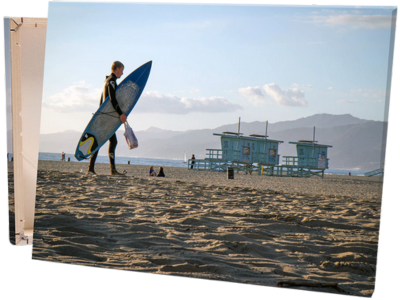
Our award-winning photo lab has developed millions of rolls of film and we still love it!
: This narrows the search to logs that might contain interactions or credentials related to Facebook accounts. The Ethics and Risks Finding a file like this is often a sign of a misconfigured server
When combined, these operators turn a standard search engine into a powerful scanner for exposed credentials. How These Log Files End Up Online
Log files often inadvertently capture plaintext credentials, session tokens, or debugging output. If a developer mistakenly uploads a .log file to a public web server, it can be indexed by Google and found using these search queries.
When combined, this search term is used to find log files that contain Facebook usernames and passwords, which can be used by hackers to gain unauthorized access to Facebook accounts.
When combined, this query instructs a search engine to find publicly indexed text files that contain raw usernames and passwords associated with Facebook. Why Do These Logs Exist Publicly?
The most immediate threat is the discovery of usernames and passwords stored in plaintext. Log files are a common culprit for this, as administrators or developers may implement logging that inadvertently records sensitive data. A single .log file can contain lines like POST /login username=admin password=SuperSecret123! , instantly granting access to a system. This invalidates an entire organization's access control model.
The only reliable defense against these dorks is a culture of security hygiene:
To understand how this query functions, it helps to break down each operator:
The developer commits this file to a public GitHub repository or accidentally leaves it in a misconfigured AWS S3 bucket that is indexed by Google. Within hours, the allintext username filetype log password.log facebook dork will expose:

Professional photographer and YouTube personality
San Francisco, California
Danni is an avid film photographer and writer from
Sacramento, CA
Avid photographer and YouTube Personality
Chillicothe, Ohio
: This narrows the search to logs that might contain interactions or credentials related to Facebook accounts. The Ethics and Risks Finding a file like this is often a sign of a misconfigured server
When combined, these operators turn a standard search engine into a powerful scanner for exposed credentials. How These Log Files End Up Online
Log files often inadvertently capture plaintext credentials, session tokens, or debugging output. If a developer mistakenly uploads a .log file to a public web server, it can be indexed by Google and found using these search queries.
When combined, this search term is used to find log files that contain Facebook usernames and passwords, which can be used by hackers to gain unauthorized access to Facebook accounts.
When combined, this query instructs a search engine to find publicly indexed text files that contain raw usernames and passwords associated with Facebook. Why Do These Logs Exist Publicly?
The most immediate threat is the discovery of usernames and passwords stored in plaintext. Log files are a common culprit for this, as administrators or developers may implement logging that inadvertently records sensitive data. A single .log file can contain lines like POST /login username=admin password=SuperSecret123! , instantly granting access to a system. This invalidates an entire organization's access control model.
The only reliable defense against these dorks is a culture of security hygiene:
To understand how this query functions, it helps to break down each operator:
The developer commits this file to a public GitHub repository or accidentally leaves it in a misconfigured AWS S3 bucket that is indexed by Google. Within hours, the allintext username filetype log password.log facebook dork will expose:
















 Gift Cards
 Film Index
 FAQ
FAQ Film Developing
 35mm
35mm 120/220
 Single Use Cameras
 110/126/Advantix
 Sheet Film
 Scan Negs/Slides
 Prints
 Prints from Digital Files
 Enlargements
 Canvas, Metal & More
 Wood Prints
 Desktop Framed Prints
 HD Metal
 Your Account & Albums